There are few things harder to watch than a dog who can't stop scratching, chewing and licking — especially at 2am. You want to give them relief now. The good news is that there are genuinely effective, vet-safe things you can do at home to take the edge off. The important caveat, which we'll be honest about throughout: home care soothes the itch; it doesn't fix the cause. Use these to keep your dog comfortable while you and your vet get to the bottom of it.
What genuinely helps (and is safe)
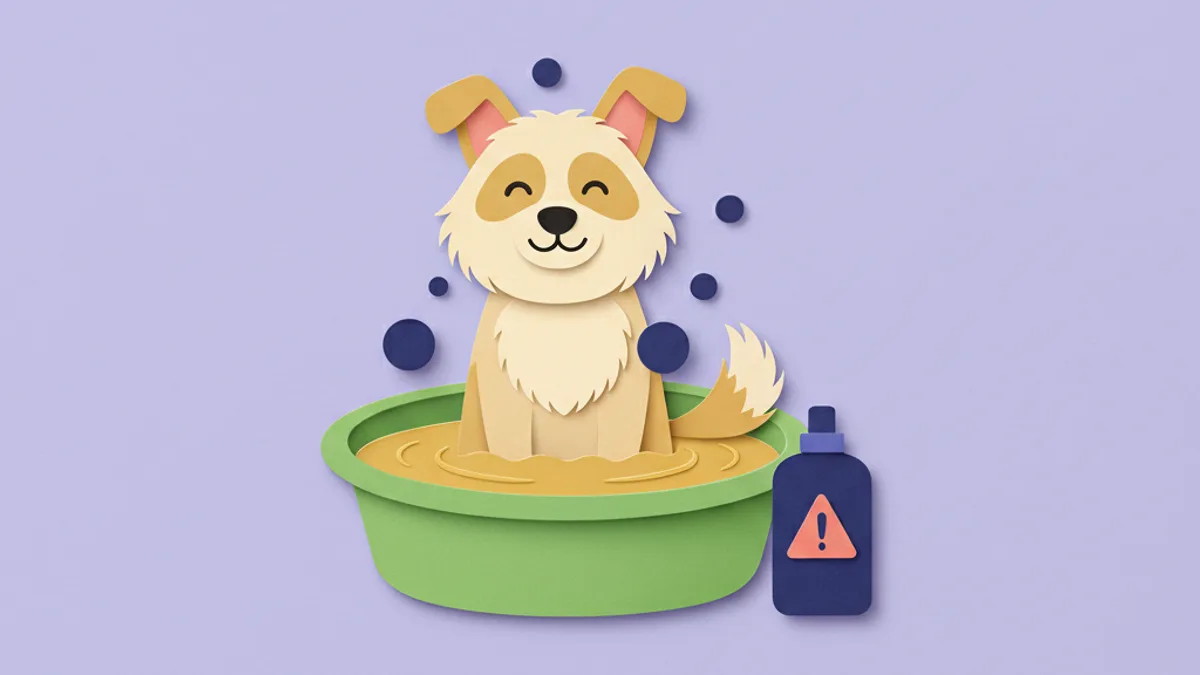
1. An oatmeal bath
This is the classic for a reason — it works and it's safe. Plain oatmeal soothes inflamed skin. As PetMD's Dr. Laci Schaible explains:
Oatmeal is a skin protectant with anti-inflammatory properties that can help soothe itchy and irritated skin.
Grind plain (unflavoured, sugar-free) oatmeal into a fine powder, mix into a tub of warm — not hot — water, and let your dog soak for 10–15 minutes. Dr. Schaible specifically warns on temperature:
Warm water—but not hot, as hot water can dry out the skin and can worsen inflammation.
A lick or two of the oatmeal water is harmless. For a single itchy patch, a thicker oatmeal paste left on for 15–20 minutes works too. Once or twice a week is plenty.
2. Paw wipes and rinses after walks
For environmentally-allergic dogs, pollen and grass allergens cling to the paws and belly. A quick wipe-down with a clean, damp cloth (or a rinse) after walks physically removes allergens before they're licked in — simple and genuinely useful.
3. Omega-3 fatty acids (ask your vet)
Omega-3 supplements support the skin barrier and have a mild anti-inflammatory effect that can help allergic skin over time. They're a supplement, not a quick fix — and dose and product matter — so ask your vet for a recommendation rather than guessing.
4. Strict, year-round flea control
Flea allergy is one of the most common itches of all, and a single flea bite can set off an allergic dog. Reliable, year-round flea control is one of the highest-value things you can do — and your vet may recommend it even before fleas are confirmed.
5. Stop the self-trauma
Gently breaking the lick-scratch cycle helps the skin recover. A soft recovery collar or a light bodysuit can prevent damage to a raw area short-term — alongside, not instead of, treating the cause.

What to avoid (popular but unhelpful or unsafe)
The internet is full of 'natural' itch cures. Many are useless; some are harmful. Steer clear of:
- Apple cider vinegar — no good evidence it helps, can dry the skin, and stings painfully on broken or raw skin.
- Aloe vera gel — aloe is toxic to dogs if ingested, and they lick everything.
- Coconut oil and tea-bag compresses — popular online, but not supported by evidence as itch treatments.
- Human anti-itch creams (e.g. hydrocortisone) and pills — many human ingredients are unsafe for dogs, and dosing must come from your vet.
- Hot baths or a hot hairdryer — heat worsens inflammation and dries the skin.
- Over-bathing — stripping the skin too often can make things worse; follow your vet's guidance on frequency and products.
As Dr. Schaible notes, persistent itching — and complications like hot spots, fleas, or yeast and bacterial infections — need proper veterinary care, not home remedies alone.
The honest truth: comfort isn't a cure
Every measure above makes your dog more comfortable, and that's worth a lot. But none of them removes the underlying reason your dog is itchy. If it's an allergy, the itch will keep returning until you address the trigger — environmental, flea, or food. And finding a food trigger takes time: a proper elimination diet trial needs the full 8–12 weeks before you can judge it.
If food is the cause, relief comes from the trial — and it takes about 8 weeks to see results in over 90% of dogs. Home soothing keeps your dog comfortable in the meantime; it isn't the fix itself. Source: Olivry & Mueller, BMC Veterinary Research (2015)
So the best plan pairs the two: use safe home care (and any vet-prescribed medication) to keep your dog comfortable now, while you do the detective work — flea control, a vet exam, and a food trial if it's warranted — to end the itch for good. As Tufts' Dr. Lisa Freeman reminds us, that trial only works if you control everything your dog eats.
Soothe the itch today, then run a guided trial to end it. ThePawcess tracks the whole journey.
Find the cause — freeFrequently asked questions
How can I relieve my dog's itching at home?
Safe, helpful measures include a warm (not hot) oatmeal bath for 10–15 minutes once or twice a week, wiping paws after walks to remove allergens, keeping flea control current year-round, asking your vet about omega-3 supplements, and gently preventing self-trauma to raw areas. These soothe the itch but don't treat the underlying cause.
Can I use apple cider vinegar or coconut oil for my dog's itchy skin?
It's best to avoid them. Apple cider vinegar isn't supported by good evidence, can dry the skin, and stings on broken skin; coconut oil and tea-bag compresses aren't proven itch treatments; and aloe vera gel is toxic to dogs if licked. Stick to vet-safe options like oatmeal baths and ask your vet before trying anything else.
Can I give my dog Benadryl for itching?
Only on your veterinarian's advice. Antihistamine choice and dosing for dogs must come from your vet, and human anti-itch creams or pills can contain ingredients unsafe for dogs. Call your vet rather than guessing a product or dose.
Will home remedies cure my dog's allergies?
No. Home care can make an itchy dog much more comfortable, but it doesn't remove the underlying cause. If an allergy is behind the itch, it will keep returning until the trigger is addressed — through flea control, environmental allergy management, or an elimination diet trial for a food cause.
Experts & sources cited
Every quote in this article is real and links to its original source. ThePawcess is not a veterinary practice — this is educational, not a diagnosis.