It happens fast and it's frightening: raised welts erupting across your dog's body, or a muzzle and eyes that puff up in minutes. This is an acute allergic reaction — hives (urticaria) and facial swelling (angioedema). The reassuring news is that most cases settle, often within a day or two. The critical news is that a small number progress to anaphylaxis, a life-threatening emergency. Knowing how to tell them apart — and what to do in the moment — is genuinely important.
What hives and facial swelling look like
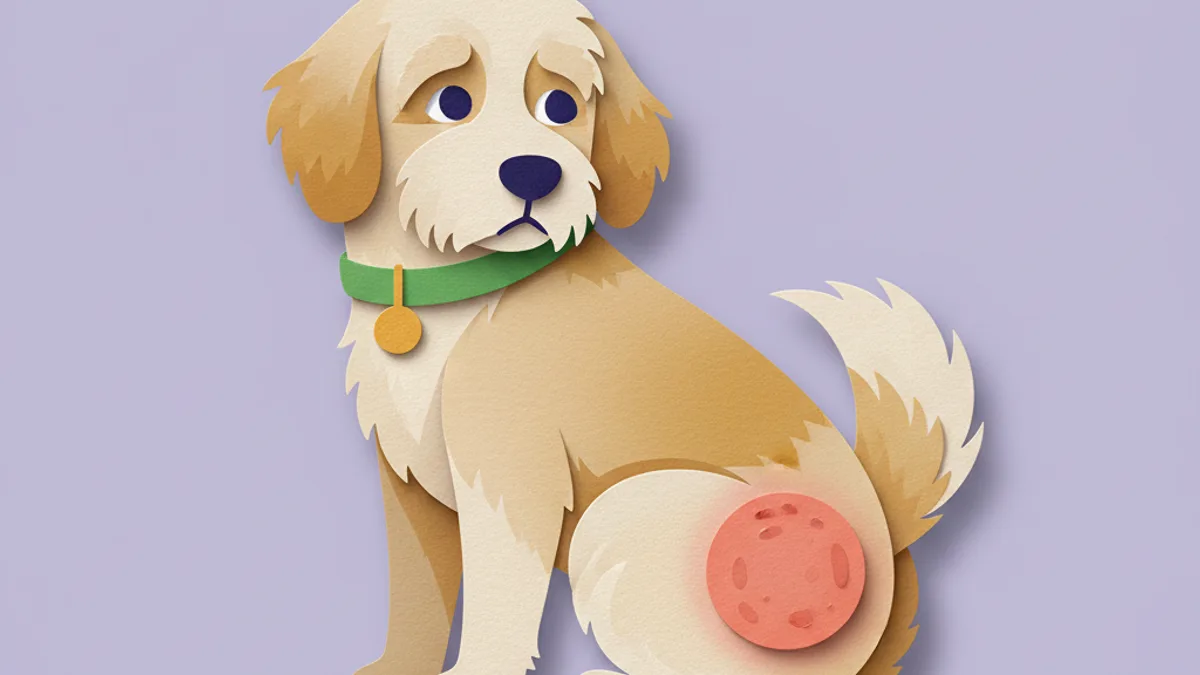
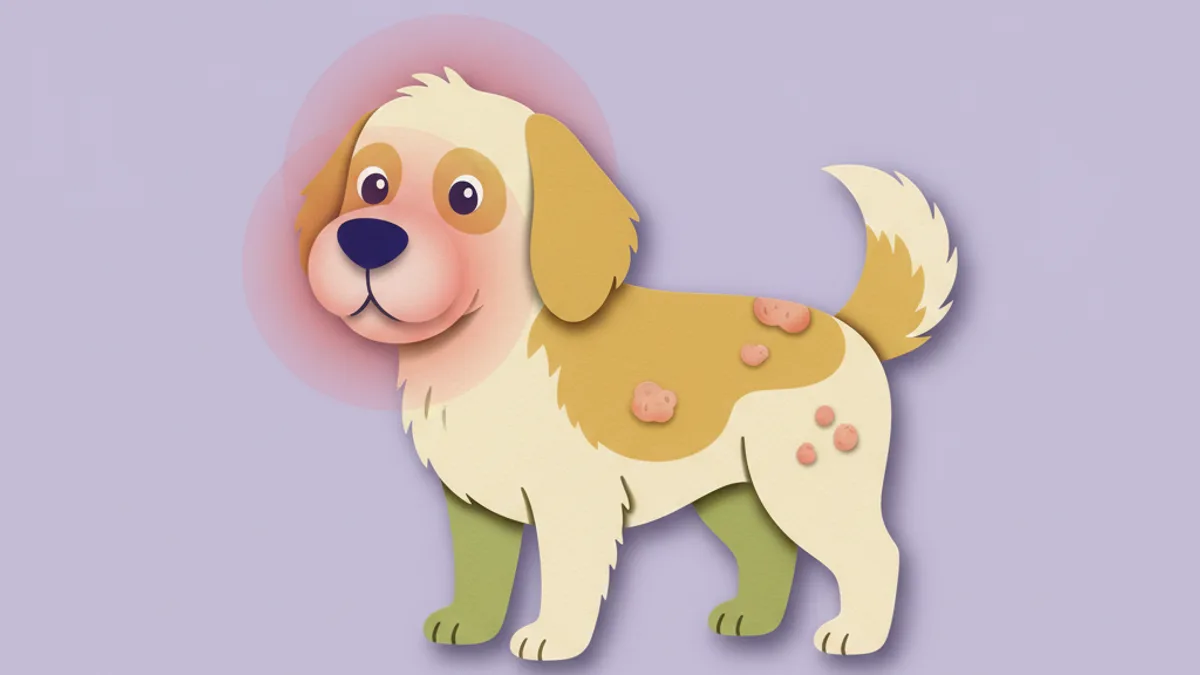
Hives (urticaria) are raised, round welts that appear suddenly — you'll often see the fur stand up in little tufts over each one, and your dog may be itchy. Angioedema is a deeper, softer swelling, classically of the muzzle, lips and around the eyes; in dogs the face can balloon noticeably. As PetMD's Dr. Katherine Smith notes, this facial swelling is the part to watch most closely:
Swelling (angioedema), which is particularly concerning when it involves the face and respiratory system. This can have severe and life-threatening consequences.
Swelling around the face is usually not dangerous by itself — but because it can be an early sign of a reaction that's escalating, it always deserves prompt veterinary attention, and urgent attention if breathing is affected.
What triggers it
Acute reactions are usually a response to something the immune system suddenly over-reacts to. The common culprits:
- Insect stings and bites — bees, wasps, ants and spiders; often the swelling is on the head and neck.
- Vaccinations — a recognised, usually mild, short-term reaction in some dogs.
- Medications — including antibiotics and other drugs.
- Contact irritants — plants, chemicals, shampoos or topical products.
- Food — less commonly the cause of sudden hives than stings or drugs, but possible.
Dr. Smith lists insect stings, vaccinations, medications, toxic plants, shampoos and food allergens among the common causes — and notes stings often land on the head and neck. Frequently, though, the exact trigger is never identified, especially for a one-off episode.
What to do right now
- Check breathing and gums first. Laboured breathing, or pale/blue/grey gums, means emergency — go to a vet immediately, calling ahead.
- Call your vet even if your dog seems stable. Sudden hives or facial swelling warrants a same-day call; they'll advise whether to come in.
- Don't give human medications on your own. Antihistamine type and dose for dogs must come from your vet — never assume a human product or dose is safe.
- Note the timeline. What happened in the last hour or two — a walk, a new food, a vaccine, a sting? This helps your vet and you avoid the trigger next time.
- Watch closely for any worsening over the next few hours, and don't leave your dog alone.
In the clinic, treatment is usually quick and effective. As Dr. Smith describes, dogs typically get an injectable antihistamine and/or corticosteroid, and show dramatic improvement — sometimes complete resolution — within minutes to hours.

Could it be food?
Owners often blame the most recent meal, and food can trigger hives — but for sudden episodes, stings, drugs and vaccines are more common causes. Food allergy more typically shows up as the chronic, ongoing itch, ear infections and skin trouble covered elsewhere on this blog, rather than acute facial swelling. Still, if your dog gets recurrent hives and you suspect diet, the culprits are the everyday proteins:
Food is a less common cause of sudden hives than stings or medications, but where diet is a recurring trigger these everyday proteins lead — confirmed only by an elimination trial, never by guesswork. Source: Mueller & Olivry, BMC Veterinary Research (2016)
If a pattern of recurrent reactions points to food, that's a reason to investigate with your vet and consider an elimination diet trial — not to self-diagnose after one scary afternoon.
After the reaction settles
Once your dog is through it, two things help: write down everything that happened in the hours before (so you can avoid a known trigger like a particular food, plant or medication), and ask your vet whether your dog should have a plan for next time — some dogs that have had a significant reaction benefit from a vet-prescribed antihistamine to keep on hand. A dog that has had anaphylaxis needs a clear emergency plan agreed with your vet.
Log what happened and when, so you and your vet can spot the trigger and prevent the next reaction.
Track reactions & triggers freeFrequently asked questions
Are hives in dogs an emergency?
Often not on their own — most hives settle within 24–48 hours. But they become an emergency if accompanied by difficulty breathing, pale or blue gums, collapse, severe facial or throat swelling, or vomiting and diarrhoea, which can signal anaphylaxis. In those cases, go to a vet or emergency clinic immediately.
What causes sudden hives and facial swelling in dogs?
Common triggers include insect stings or bites, vaccinations, medications, contact with plants or chemicals, shampoos, and sometimes food. For sudden reactions, stings and drugs are more common than food. Often the exact trigger of a one-off episode is never identified.
Can I give my dog Benadryl for hives?
Only on your vet's advice. Antihistamine choice and dosing for dogs must come from a veterinarian — never assume a human product or dose is safe. Call your vet, who can advise the right medication or ask you to come in.
How long do dog hives last?
Most cases of allergic hives resolve within 24–48 hours, and improvement is often dramatic and fast once a vet gives an injectable antihistamine or corticosteroid. Watch closely for any escalation in the first few hours, as a small number progress to anaphylaxis.
Experts & sources cited
Every quote in this article is real and links to its original source. ThePawcess is not a veterinary practice — this is educational, not a diagnosis.